
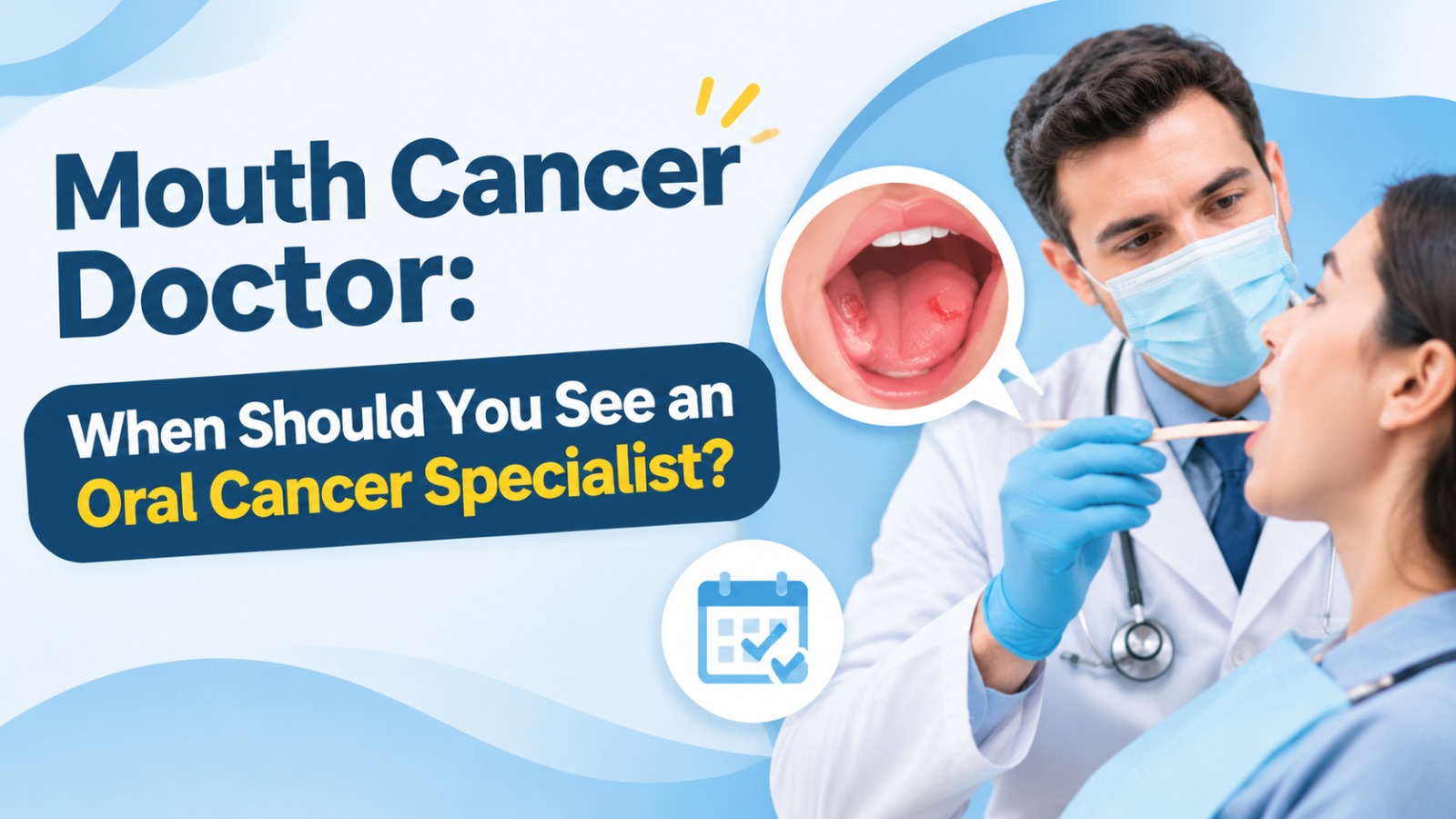

If you have a sore in your mouth that just will not heal, you are probably wondering what to do next. Maybe you bit your cheek. Maybe you ate something sharp. Most mouth sores are harmless and settle down on their own. But when something stays for weeks, it is worth finding out why.
In Bangladesh, many people get confused about which doctor to see. Should you go to a dentist, an ENT specialist, or an oral and maxillofacial surgeon? Let’s keep it simple.
First, Meet Prof. Dr. Nasir Uddin
Prof. Dr. Nasir Uddin is an Oral and Maxillofacial Surgeon. His professional work includes oral cancer surgery and reconstruction. According to his professional profile, he is Senior Consultant in Oral and Maxillofacial Surgery at Labaid Cancer Hospital and Super Speciality Centre. He is also Professor and Head of the Department of Oral and Maxillofacial Surgery at Sapporo Dental College & Hospital.
His qualifications include BDS and MS in Oral and Maxillofacial Surgery. He has also completed advanced surgical training in Japan and training in Facial Plastic and Reconstructive Surgery in Canada.
His clinical services include:
- Oral cancer surgery
- Oral cancer biopsy and diagnosis
- Oral cancer reconstruction
- Jaw and facial reconstruction
- Jaw and facial fracture management
- Jaw cyst and tumor surgery
If you have a suspicious spot in your mouth or you already have an oral cancer diagnosis, a consultation can help you understand the next step.
What Does a Mouth Cancer Doctor Do?
A mouth cancer doctor checks problems inside the mouth and helps diagnose or treat oral cancer. Depending on your case, this could be an oral and maxillofacial surgeon, a head and neck surgeon, an ENT specialist, or an oncologist.
They do more than just look at a suspicious growth. They examine changes in your mouth, arrange tests, review biopsy results, and help decide whether surgery or other cancer treatment is needed.
Your mouth has many important parts: your tongue, gums, inner cheeks, lips, floor of the mouth, and roof of the mouth. Cancer in these areas can affect eating, speaking, swallowing, and keeping your mouth healthy. That is why it matters to choose a doctor with real experience in oral cancer.
When Should You See a Mouth Cancer Specialist?
Picture this. You notice a small white patch inside your cheek. It does not hurt, so you ignore it. A few weeks later, it is still there. That is the kind of situation that deserves a proper check.
A persistent mouth lesion does not automatically mean cancer. But leaving it unexplored is not a good idea either.
Watch for these warning signs:
- A mouth ulcer that does not heal within two weeks
- White or red patches on the tongue, gums, lips, or inner cheeks
- A lump, hard area, or unusual growth inside the mouth
- Bleeding from the mouth without a clear injury
- Difficulty chewing or swallowing
- Trouble opening your mouth or moving your tongue
- Numbness in the tongue, lips, or other parts of the mouth
- A lump or swelling in the neck that does not go away
These symptoms can also come from infections, injuries, or other noncancerous conditions. But if something unusual lasts more than two weeks, get it checked by a qualified doctor.
Why Oral Cancer Awareness Matters in Bangladesh
Oral cancer awareness matters a lot in Bangladesh because tobacco use and betel quid chewing are major risk factors. Many people use smokeless tobacco and products like jorda, gul, or tobacco-containing paan. These can expose the mouth to harmful substances.
The tricky part is that some people get used to changes inside their mouth. A long-lasting ulcer, a thickened cheek lining, or a white patch may be treated as a normal dental issue without checking the real cause.
Tobacco is not the only risk factor. Oral cancer can also affect people who have never used tobacco. So everyone should know the warning signs and get timely examinations.
Which Doctor Should You Choose?
Several specialists may be involved in oral cancer care. The right choice depends on where the suspected cancer is and what treatment you need.
Oral and Maxillofacial Surgeon
This specialist deals with surgical conditions of the mouth, jaws, face, and related structures. Some have advanced experience in oral cancer surgery, tumor removal, and reconstruction. If a suspicious lesion is inside the mouth or involves the jaw, this doctor can play an important role.
ENT Specialist
An ear, nose, and throat specialist checks conditions of the throat, tonsils, voice, and surrounding areas. ENT specialists with head and neck cancer training may diagnose and treat cancers in these areas.
Head and Neck Cancer Surgeon
These surgeons focus on cancers of the oral cavity, throat, and neck. They assess whether surgery is suitable and coordinate care with other cancer specialists.
Medical Oncologist
This doctor manages cancer treatment with medicines such as chemotherapy, immunotherapy, and targeted therapy when appropriate.
Radiation Oncologist
This specialist provides radiation therapy. It may be recommended after surgery, along with other treatments, or as part of the main treatment plan in selected cases.
For suspected cancer inside the mouth, an oral and maxillofacial surgeon with oral cancer experience can be a good specialist to consult. A dentist or primary care doctor can also help arrange the first evaluation and referral.
How Is Oral Cancer Diagnosed?
The doctor will usually ask when the problem started, whether it has changed, and whether you have pain, bleeding, numbness, or difficulty eating. Then they will examine your lips, tongue, gums, inner cheeks, floor of the mouth, and surrounding tissues. Your neck may also be checked for lumps or enlarged lymph nodes.
If something looks suspicious, the doctor may recommend more tests.
Oral Cancer Biopsy
A biopsy is one of the most important tests for confirming oral cancer. A small tissue sample is taken from the suspicious area and checked under a microscope. This helps confirm whether cancer cells are present and what type of abnormality it is.
Imaging Tests
Depending on the examination and biopsy results, the doctor may recommend CT scans, MRI, or PET scans. These help assess the size and location of a tumor and whether nearby structures or lymph nodes are involved. Not every patient needs every test.
What Happens During Oral Cancer Surgery?
If you are diagnosed with an operable oral cancer, surgery may be an important part of treatment. The main goal is to remove the cancerous tissue while preserving important mouth functions.
The exact procedure depends on the tumor’s location, size, depth, and whether nearby tissues are involved. Sometimes the surgeon may also need to remove affected lymph nodes in the neck.
Surgical Removal of the Tumor
The surgeon removes the cancerous growth along with a margin of surrounding tissue. This helps achieve clear margins and reduces the chance of leaving cancer cells behind.
Oral Cancer Reconstruction
Removing a tumor can sometimes affect the tongue, cheek, jaw, or other important structures. Reconstructive surgery may be needed to restore appearance and improve speaking, chewing, and swallowing. Depending on the defect, reconstruction may involve tissue transferred from another part of the body.
Recovery After Surgery
Recovery depends on the extent of surgery and your overall health. Some patients may need temporary diet changes, wound care, rehabilitation, or help with swallowing and speech. Follow-up appointments help the medical team monitor healing and review the final pathology report.
Can Oral Cancer Be Treated Without Surgery?
Surgery is an important option for many oral cavity cancers, but it is not the only one. Depending on the diagnosis, radiation therapy, chemotherapy, targeted therapy, or immunotherapy may also have a role.
Some patients receive radiation therapy after surgery to reduce the risk of recurrence. Others may need radiation plus chemotherapy when the disease characteristics justify it.
Treatment should never be based only on general online advice. It needs an individual assessment by the right cancer specialists. They will consider the cancer stage, pathology findings, your general health, and your treatment goals.
How to Choose the Right Oral Cancer Doctor in Bangladesh
Choosing a specialist is a big decision, especially when surgery or long-term cancer treatment may be involved. Do not choose only based on advertisements or online reviews. Take time to understand the doctor’s qualifications and experience.
Here are some things worth checking:
- Relevant surgical qualifications and specialist training
- Experience in treating oral cancer patients regularly
- Reconstructive expertise if tumor removal may affect the tongue, jaw, or face
- Availability of biopsy, pathology, and imaging services
- Multidisciplinary care with surgeons, oncologists, dentists, and rehabilitation professionals
- Clear communication about diagnosis, treatment options, complications, and recovery
It is also reasonable to seek a second opinion before making a major treatment decision. A well-informed patient can take part in treatment discussions with more confidence.
Questions You Can Ask During Your Appointment
Medical consultations can feel overwhelming. Preparing questions beforehand helps you understand your condition and remember important details.
You can ask your specialist:
- What could be causing the changes inside my mouth?
- Do I need an oral biopsy?
- If cancer is confirmed, what type and stage is it?
- Is surgery appropriate for my condition?
- Will I need reconstructive surgery?
- Could treatment affect my speech, chewing, or swallowing?
- Will I need radiation therapy or chemotherapy?
- What should I expect during recovery?
- How often will I need follow-up examinations?
Bring previous medical reports, biopsy results, imaging records, and a list of medicines if you have them. Having a family member with you can also help when discussing complicated treatment decisions.
How Can You Reduce the Risk of Oral Cancer?
No preventive measure can eliminate every case of oral cancer. But reducing exposure to known risk factors can help lower your risk.
Avoiding cigarettes, bidis, chewing tobacco, jorda, gul, and other tobacco-containing products is one of the most important steps. Avoiding betel quid with tobacco and limiting or avoiding alcohol are also sensible measures.
Protecting your lips from too much sun and maintaining good oral health are additional ways to support your overall health. Regular dental checkups can help find unusual changes that might otherwise go unnoticed.
People with persistent mouth sores, unusual patches, or unexplained lumps should not rely on preventive habits alone. They need a proper professional examination to find the cause.
Do Not Ignore a Mouth Problem That Refuses to Heal
A mouth ulcer that stays for weeks, a patch that keeps changing, or a lump that seems unusual can be easy to overlook when life gets busy. But persistent symptoms deserve attention, even when they do not hurt.
Finding a qualified mouth cancer doctor is an important first step. With proper examination, appropriate tests, and an individualized treatment plan, patients can make informed decisions about their care.
If you have noticed an unusual change inside your mouth lasting more than two weeks, arrange an examination with a dentist or qualified doctor. If further investigation is needed, ask for a referral to an experienced oral cancer specialist.
To learn about oral cancer consultation, biopsy, surgery, and reconstructive services, book an appointment.
Frequently Asked Questions
Who is the best mouth cancer doctor in Bangladesh?
Choosing an oral cancer specialist should depend on relevant qualifications, experience, surgical expertise, and your specific medical needs. Prof. Dr. Nasir Uddin is an Oral and Maxillofacial Surgeon in Bangladesh whose clinical services include oral cancer surgery and reconstruction.
Which specialist should I consult for suspected mouth cancer?
An oral and maxillofacial surgeon with oral cancer experience can evaluate suspicious lesions inside the mouth. Depending on the location and findings, an ENT specialist or head and neck cancer surgeon may also be appropriate.
How long should a mouth ulcer last before seeing a doctor?
A mouth ulcer that does not heal within two weeks should be examined by a doctor. Most ulcers are not cancerous, but persistent lesions may need further investigation.
Can oral cancer be cured?
Some oral cancers can be treated successfully, especially when diagnosed at an earlier stage. Outcomes depend on the cancer’s stage, location, type, overall health, and response to treatment.
Is oral cancer surgery painful?
Oral cancer surgery is done under appropriate anesthesia, so you do not feel the procedure in the usual way. Some pain, swelling, and discomfort can happen during recovery, and the medical team provides pain management.
Does oral cancer always require jaw removal?
No. Many oral cancer operations do not require removal of the jaw. The surgical approach depends on whether the tumor has affected the jawbone or nearby structures.
Can oral cancer return after surgery?
Recurrence is possible, although the risk varies depending on the cancer’s characteristics and treatment findings. Regular follow-up appointments are important for monitoring recovery and catching any new concerns.
Where can I consult an oral cancer specialist in Bangladesh?
You can explore the professional profile and consultation services of Prof. Dr. Nasir Uddin through OralCancerSurgeryBD.com. A consultation helps determine the right examination and treatment pathway.