
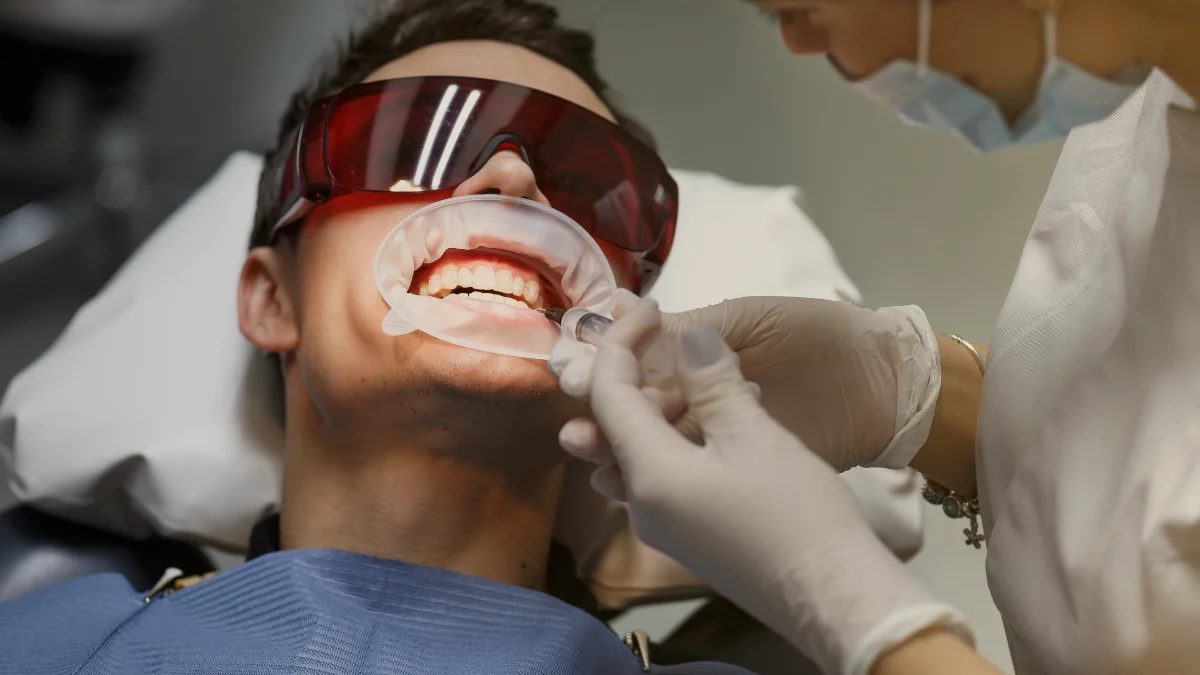

The early signs of oral cancer can include a mouth sore that does not heal, a persistent red or white patch, an unusual lump or thickened area, unexplained bleeding, numbness, difficulty swallowing, changes in your voice, loose teeth, or a lump in the neck. A mouth problem that stays for several weeks, keeps returning, grows, or becomes more noticeable deserves professional attention.
Most mouth ulcers, sore spots, and minor changes are not cancer. The important difference is often persistence, which is why an unusual change that refuses to disappear should not simply be ignored.
What Is Oral Cancer?
Oral cancer is cancer that develops in tissues of the mouth, including the lips, tongue, gums, inside of the cheeks, floor of the mouth, and other areas of the oral cavity. Cancer that develops farther back, around areas such as the tonsils and base of the tongue, is generally classified as oropharyngeal cancer.
These cancers are often discussed together because some symptoms and risk factors overlap. Tobacco, alcohol, and areca nut or betel quid use are established oral cancer risk factors, while HPV infection plays an important role in many cancers of the oropharynx.
One problem with oral cancer is that an early abnormal area may look surprisingly ordinary. What appears to be a stubborn ulcer, irritated patch, or small lump can easily be blamed on accidentally biting your cheek, spicy food, dental work, or a sharp tooth.
That does not mean every mouth ulcer should make you anxious. It means your mouth deserves attention when something unusual refuses to return to normal.
1. A Mouth Sore That Does Not Heal
Mouth ulcers happen to almost everyone. You might bite your cheek, burn your mouth with hot food, or develop a minor ulcer that becomes painful for a few days.
Most ordinary sores eventually improve. A sore on the lip or inside the mouth that does not heal is one of the recognized warning signs of oral cancer.
The NHS specifically advises getting a mouth ulcer checked when it has lasted more than three weeks. You should also seek help sooner if a sore is rapidly worsening, unusually large, bleeding repeatedly, or accompanied by other concerning symptoms.
Do not assume that a sore must hurt badly to matter. What deserves attention is an unexplained lesion that continues to be present when you would normally expect the mouth to heal.
2. Red or White Patches Inside the Mouth
Look occasionally at your tongue, gums, inner cheeks, and the area underneath your tongue. A persistent red or white patch that was not there before deserves attention, particularly when you cannot explain why it appeared.
White patches can develop for several reasons, and red patches can also occur because of irritation or infection. Their appearance alone cannot tell you whether cancer is present.
However, red or white patches on the gums, tongue, tonsil area, or lining of the mouth are recognized possible signs of oral and oropharyngeal cancer. A dentist, oral medicine specialist, ENT doctor, or other qualified clinician can determine whether further investigation is needed.
3. A Lump, Thickening, or Unusual Area in Your Mouth
Run your tongue gently around the inside of your cheeks and lips. You are already familiar with how your mouth normally feels, even if you have never consciously thought about it.
A new lump, thickened area, swelling, or unusual texture should not automatically be dismissed. The American Cancer Society lists a lump or thickening in the lips, mouth, or cheek among the possible warning signs of oral cancer.
Again, there are many non-cancerous reasons for mouth lumps. The concern increases when an abnormal area persists, grows, changes, or appears alongside symptoms such as an ulcer, numbness, difficulty swallowing, or a neck lump.
4. Unexplained Bleeding in the Mouth
Bleeding gums are commonly associated with gum disease, aggressive brushing, or irritation. But unexplained or unusual bleeding in the mouth can also require investigation.
The CDC includes unusual bleeding and swelling among possible symptoms associated with cancers of the oral cavity and pharynx. Persistent bleeding without an obvious dental explanation should therefore be discussed with a dentist or doctor.
Pay particular attention when bleeding comes from the same abnormal area repeatedly. A visible sore, lump, or patch that regularly bleeds deserves a professional examination.
5. Persistent Mouth or Throat Pain
A sore mouth after dental treatment is usually understandable. Pain from an infected tooth also tends to have a recognizable dental cause.
Pain that does not go away is different. Persistent pain in the mouth or throat is included among the symptoms associated with oral and oropharyngeal cancers.
Pain alone cannot diagnose cancer, and dental infections are far more common explanations. The point is not to guess the diagnosis yourself but to investigate unexplained pain rather than repeatedly masking it with painkillers.
6. Numbness of the Tongue, Lip, or Mouth
We normally notice pain much faster than numbness. That makes reduced sensation surprisingly easy to overlook.
Persistent numbness affecting part of the tongue, lip, or another area of the mouth is among the symptoms listed by the American Cancer Society. If sensation suddenly feels different and you do not know why, mention it when you see your dentist or doctor.
A temporary strange feeling after dental anesthesia is obviously different. Concern is greater when the numbness develops without a clear reason and continues.
7. Difficulty Chewing or Swallowing
Swallowing should normally happen without much thought. If food suddenly feels difficult to swallow, chewing becomes uncomfortable, or you repeatedly feel as if something is caught in your throat, your body is telling you that something has changed.
Difficulty chewing or swallowing can occur with oral or throat cancers, although many other conditions can cause the same symptoms. Persistent difficulty needs medical evaluation rather than self-diagnosis.
Pay attention to whether the problem is getting progressively worse. Changes in swallowing combined with a persistent sore throat, voice change, neck lump, or unexplained weight loss make evaluation particularly important.
8. Difficulty Moving Your Tongue or Jaw
Your jaw and tongue perform hundreds of small movements while you eat and speak. A new restriction in either can therefore become noticeable during very ordinary activities.
The American Cancer Society includes trouble moving the jaw or tongue among possible symptoms of oral cavity and oropharyngeal cancer. Persistent jaw swelling or pain can also require investigation.
Dental conditions, jaw joint problems, injuries, and infections can create similar symptoms. A professional examination is needed to separate common causes from conditions that need further testing.
9. Loose Teeth or Changes in How Dentures Fit
A loose tooth does not automatically mean cancer. Gum disease, infection, injury, and other dental conditions are much more familiar explanations.
However, unexplained loosening of teeth, pain around the teeth, or dentures that suddenly become uncomfortable or stop fitting properly can sometimes accompany oral cancer. These symptoms are especially worth investigating when no obvious dental cause can be found.
Your dentist is a useful first point of contact. A dental examination can identify common causes and determine whether an unusual area needs specialist assessment.
10. A Persistent Lump in the Neck
Not every sign of oral or throat cancer appears inside the mouth. Sometimes a person first notices a lump or swelling in the neck.
The NHS and American Cancer Society both include a persistent neck or throat lump among possible warning signs. Enlarged lymph nodes can also occur with infections, so finding a lump does not automatically indicate cancer.
What matters is whether the lump goes away as expected. A persistent, enlarging, or unexplained neck lump should be examined rather than repeatedly checked with your fingers for months.
11. Persistent Voice Changes or Hoarseness
A cold, long meeting, concert, or day of constant talking can leave your voice rough. That kind of temporary hoarseness normally improves.
A voice change that stays without an obvious explanation is more important. Persistent hoarseness or other voice changes are included among possible symptoms associated with mouth and throat cancers.
This symptom can come from many benign conditions, including reflux and infections. Persistence is what makes it worth discussing with a healthcare professional.
12. Unexplained Ear Pain
An unusual connection exists between the throat and the ear because nerves can cause pain originating in one area to be felt somewhere else. This is known as referred pain.
Ear pain is listed among possible symptoms of oral cavity and oropharyngeal cancers. An earache with no clear ear infection, particularly when combined with swallowing difficulty, throat symptoms, or a neck lump, should not be overlooked.
Your doctor needs to determine where the pain is actually coming from. Trying to diagnose the cause based on symptoms alone is unreliable.
13. Unexplained Weight Loss
Weight naturally moves up and down, especially when diet, exercise, stress, or daily routines change. Weight loss becomes more concerning when it happens without you trying.
Unexplained weight loss is one of the possible symptoms listed for oral and oropharyngeal cancers. In some cases, mouth pain or difficulty swallowing can also make eating harder.
Weight loss on its own has many possible explanations. When it happens alongside persistent mouth or throat symptoms, it gives you another reason to arrange an examination.
The Three-Week Rule Is Worth Remembering
If you remember only one practical idea from this article, make it this: a persistent mouth change deserves attention. The NHS recommends seeing a healthcare professional for a mouth ulcer lasting more than three weeks and also advises assessment for persistent lumps, red or white patches, mouth pain, swallowing problems, speaking problems, or ongoing hoarseness.
Three weeks is not a deadline that you need to wait for. If something looks seriously abnormal, grows quickly, causes significant difficulty swallowing or breathing, or otherwise concerns you, seek medical attention earlier.
Who Has a Higher Risk of Oral Cancer?
Anyone can develop oral cancer, but certain exposures increase risk. Tobacco use in smoked or smokeless forms and alcohol consumption are well-established risk factors for cancers of the mouth and throat.
Areca nut and betel quid deserve special attention, particularly across South and Southeast Asia. WHO and IARC identify areca nut and betel quid, including products without added tobacco, as important causes of oral cancer.
HPV is particularly important in cancers of the oropharynx, including areas around the back of the throat, tonsils, and base of the tongue. The CDC reports that HPV is linked to a large proportion of oropharyngeal cancers in the United States.
Long-term ultraviolet exposure can also increase the risk of cancer affecting the lip. None of these risk factors means that someone will definitely develop cancer, and people without obvious risk factors can still develop the disease.
Why Busy Professionals Often Ignore Mouth Symptoms
A digital marketer, designer, developer, business owner, or remote professional may spend eight or ten hours moving between calls, dashboards, deadlines, and notifications. A tiny mouth ulcer rarely feels important enough to interrupt the workday.
The occupation itself is not known to cause oral cancer. The practical problem is delay, because a person can get used to a symptom and stop noticing how long it has actually been there.
Try attaching a date to an unexplained mouth change. If you notice an ulcer, patch, lump, or unusual sensation today, make a note of the date instead of relying on memory.
That simple habit helps answer an important question later: has this really been here for three weeks?
Can You Check Your Mouth at Home?
You can occasionally look inside your mouth under good lighting. Check your lips, gums, inner cheeks, tongue, sides of the tongue, and as much of the floor of your mouth as you can comfortably see.
You are looking for changes rather than trying to diagnose cancer. A persistent white or red patch, sore, unexplained lump, or other unusual area can then be shown to a dental or medical professional.
A smartphone photograph may help you notice whether something is changing over time, but a photo cannot confirm or exclude oral cancer. Suspicious lesions sometimes require a clinical examination and, when appropriate, further testing or a biopsy.
What Happens If a Dentist Finds Something Suspicious?
The first step is usually much simpler than people imagine. A dentist or doctor will ask about your symptoms and medical history, then examine your mouth and may feel around your jaw and neck.
If an area looks suspicious, you may be referred to an oral and maxillofacial specialist, oral medicine specialist, ENT specialist, or another appropriate clinician. Further investigation may include taking a small tissue sample so it can be examined for abnormal or cancerous cells.
A referral does not mean you have cancer. It means the abnormal area deserves a closer look.
How to Lower Your Risk of Oral Cancer
The most useful prevention steps are straightforward. Avoid tobacco, including smokeless tobacco, and avoid areca nut or betel quid products, whether or not tobacco has been added.
Drinking less alcohol can also reduce cancer risk. The CDC notes that alcohol increases the risk of cancers including those of the mouth and throat, and risk generally rises as alcohol consumption increases.
Talk with your healthcare provider about HPV vaccination if it is appropriate for your age and circumstances. HPV vaccination prevents new infections with cancer-associated HPV types, although it does not treat an infection that is already present.
Regular dental care matters too. Your dentist is not only checking for cavities and gum disease, since an oral examination can also reveal unusual tissues that you may not have noticed yourself.
When Should You See a Dentist or Doctor?
Make an appointment if you have a mouth ulcer lasting more than three weeks, a persistent red or white patch, unexplained mouth pain, a lump in the mouth or neck, swallowing difficulty, ongoing hoarseness, or another unusual change that does not settle.
Seek care sooner when symptoms are rapidly worsening or seriously affecting your ability to eat, swallow, speak, or breathe. Significant breathing difficulty or another medical emergency requires urgent medical attention.
Most people who get a persistent mouth symptom checked will not automatically receive a cancer diagnosis. The purpose of getting examined is to find the real cause instead of allowing uncertainty to continue.
Frequently Asked Questions About the Early Signs of Oral Cancer
What is usually the first sign of oral cancer?
There is no single first symptom that appears in everyone. A sore that does not heal, an unexplained red or white patch, or a lump or thickening inside the mouth can be among the early noticeable signs.
Does oral cancer always hurt?
Pain can occur with oral cancer, but relying only on pain is not a safe way to decide whether an abnormal area needs attention. Look at how long a change has persisted and whether it is healing normally.
How long should a mouth ulcer last before I worry?
The NHS recommends getting a mouth ulcer checked if it lasts longer than three weeks. You do not need to wait that long when a lesion is worsening quickly or otherwise looks concerning.
Are white patches in the mouth always cancer?
No. White patches can have several causes, and many are not cancer.
A persistent white or red patch should still be examined because these changes are among the recognized possible signs of oral cancer.
Can someone who never smoked get oral cancer?
Yes. Tobacco is an important risk factor, but having no history of smoking does not make oral cancer impossible.
Alcohol, areca nut or betel quid, HPV-related disease, UV exposure to the lips, and other factors may also contribute to risk depending on the cancer’s location.
Can a dentist detect oral cancer?
Dentists can identify suspicious sores, patches, lumps, and other abnormal areas during an oral examination. A suspicious finding usually needs further evaluation, and a definitive cancer diagnosis may require tissue testing.
The Bottom Line
The early signs of oral cancer are often ordinary-looking changes that simply do not behave like ordinary mouth problems. A persistent sore, red or white patch, lump, unexplained bleeding, numbness, swallowing difficulty, voice change, loose tooth, or neck lump is worth paying attention to.
You do not need to become afraid of every ulcer you find in your mouth. You simply need to notice what is changing, give normal problems time to heal, and get persistent or worsening symptoms professionally examined.
Catching a concerning change earlier gives healthcare professionals the opportunity to investigate it while it is still small. When your mouth keeps telling you something has changed, listening is better than guessing.